
Le Mangiatrici di Terra
solo show by Pamela Diamante

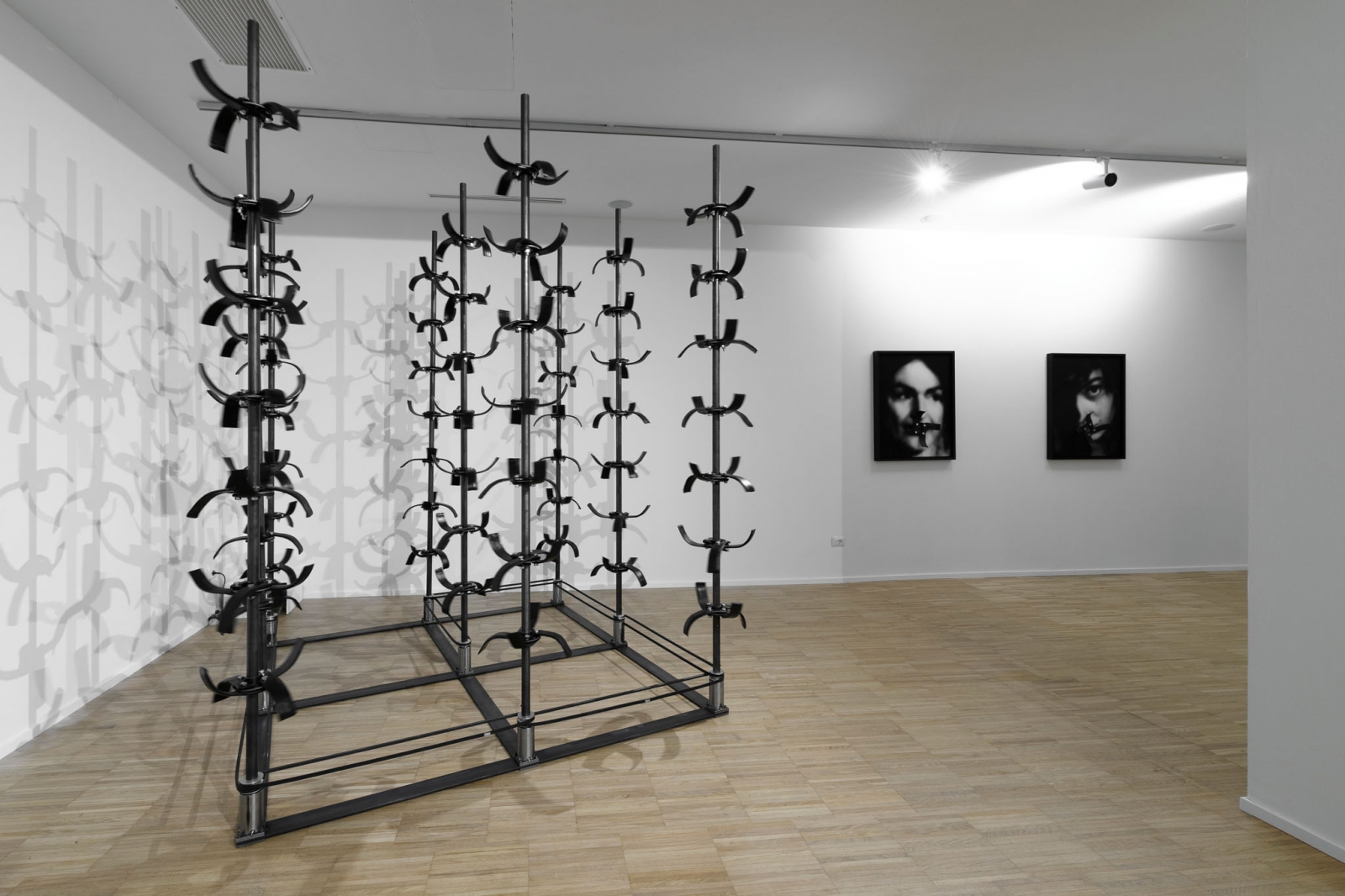
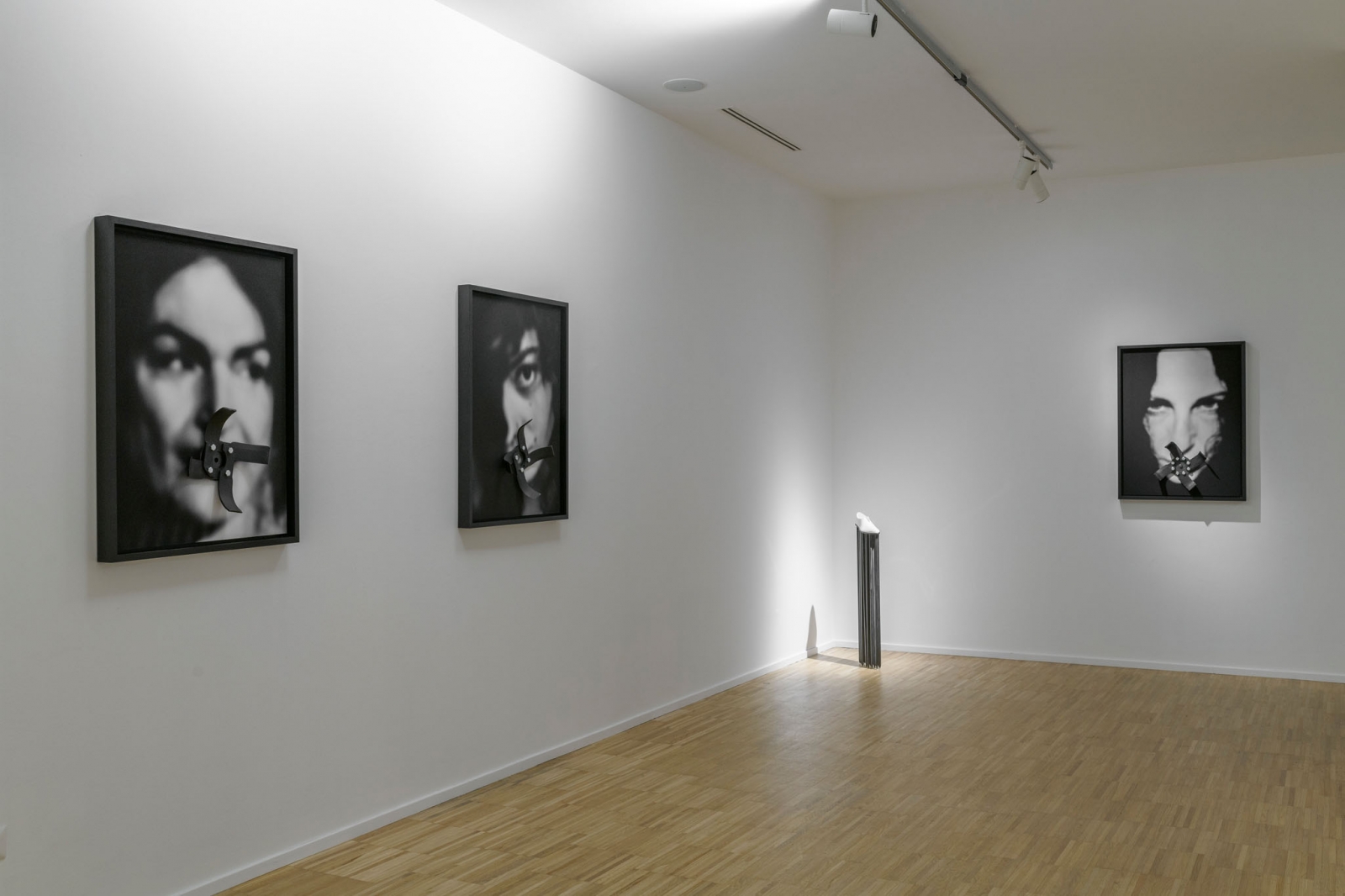
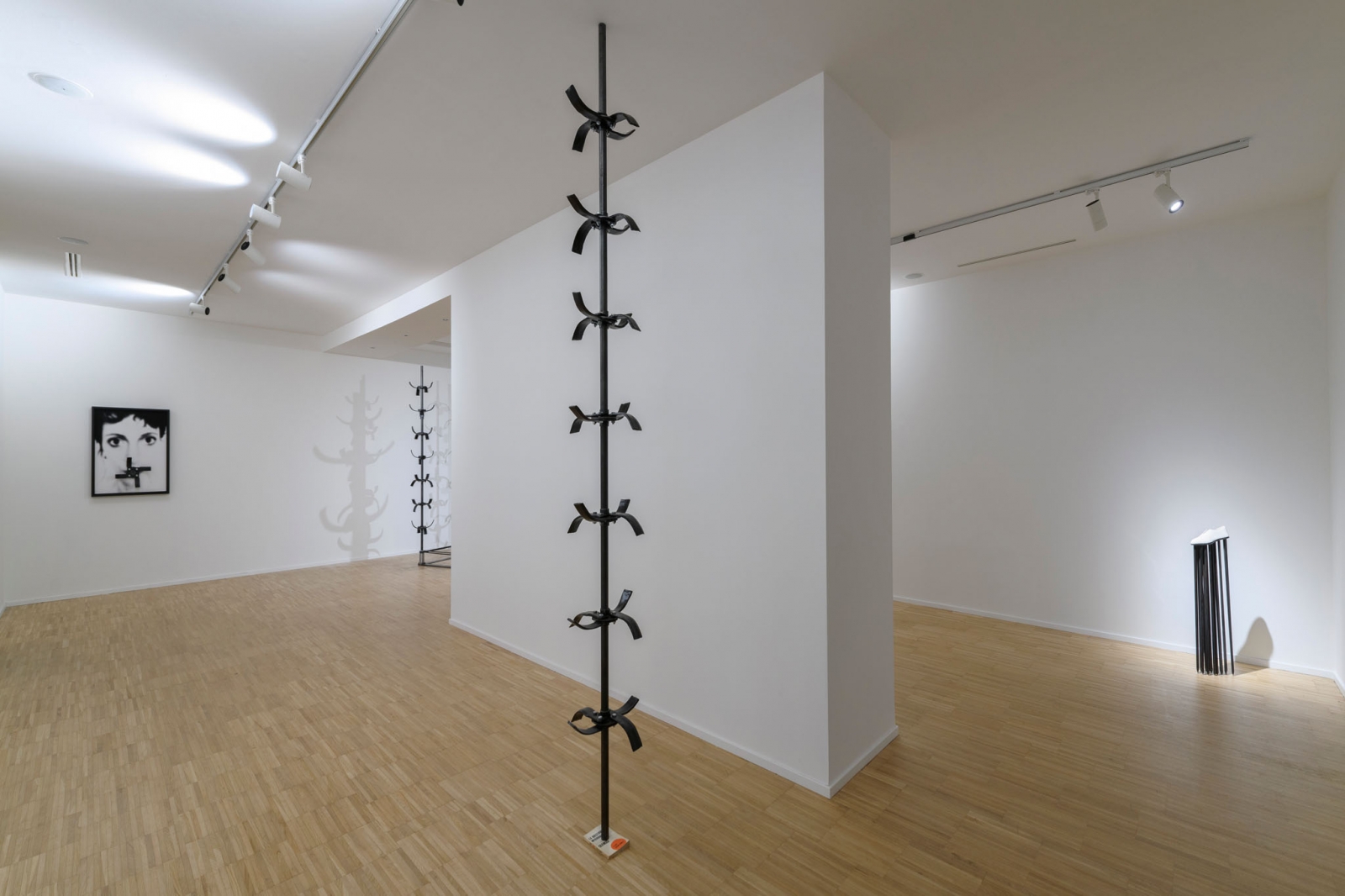
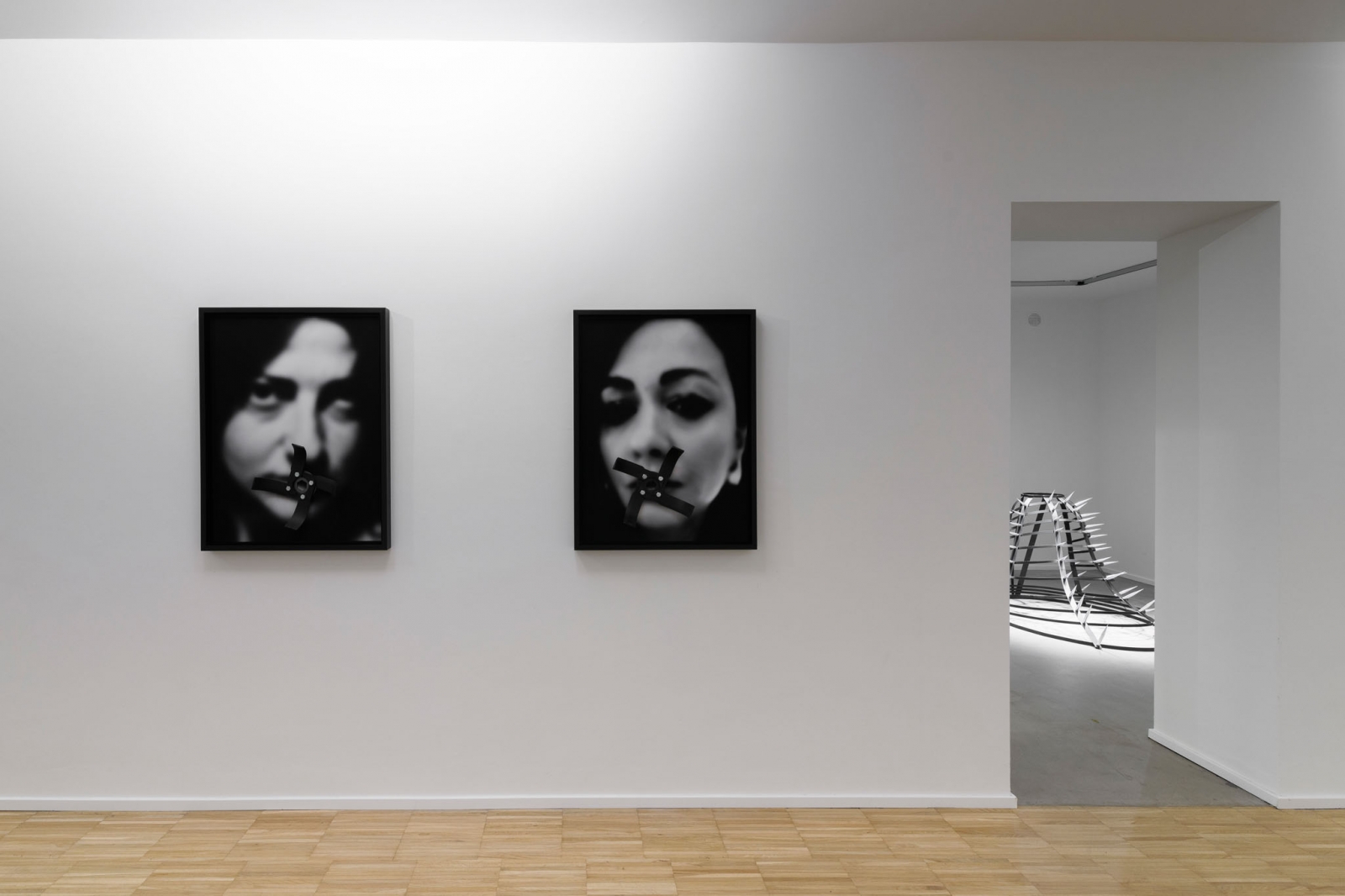
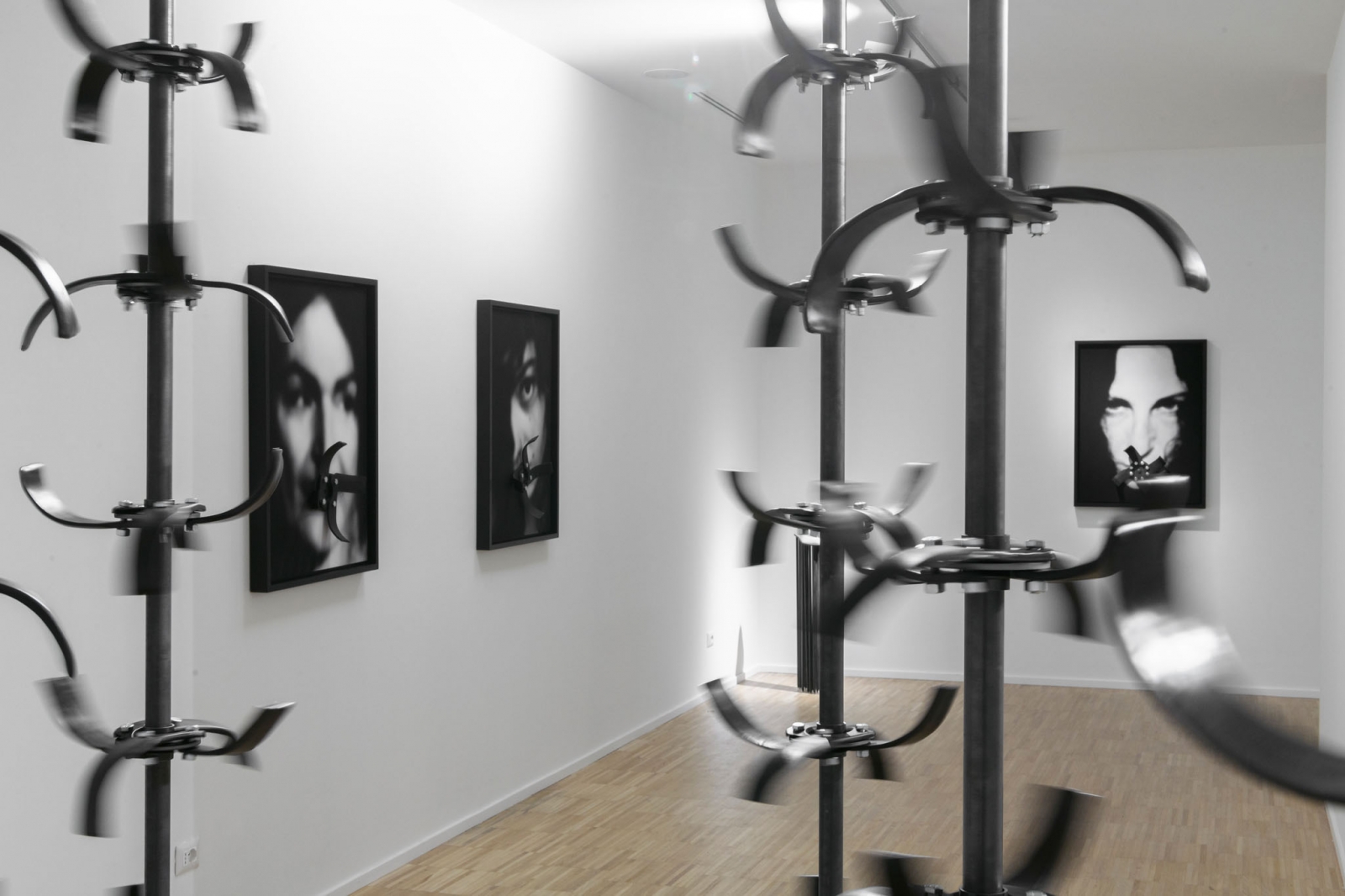
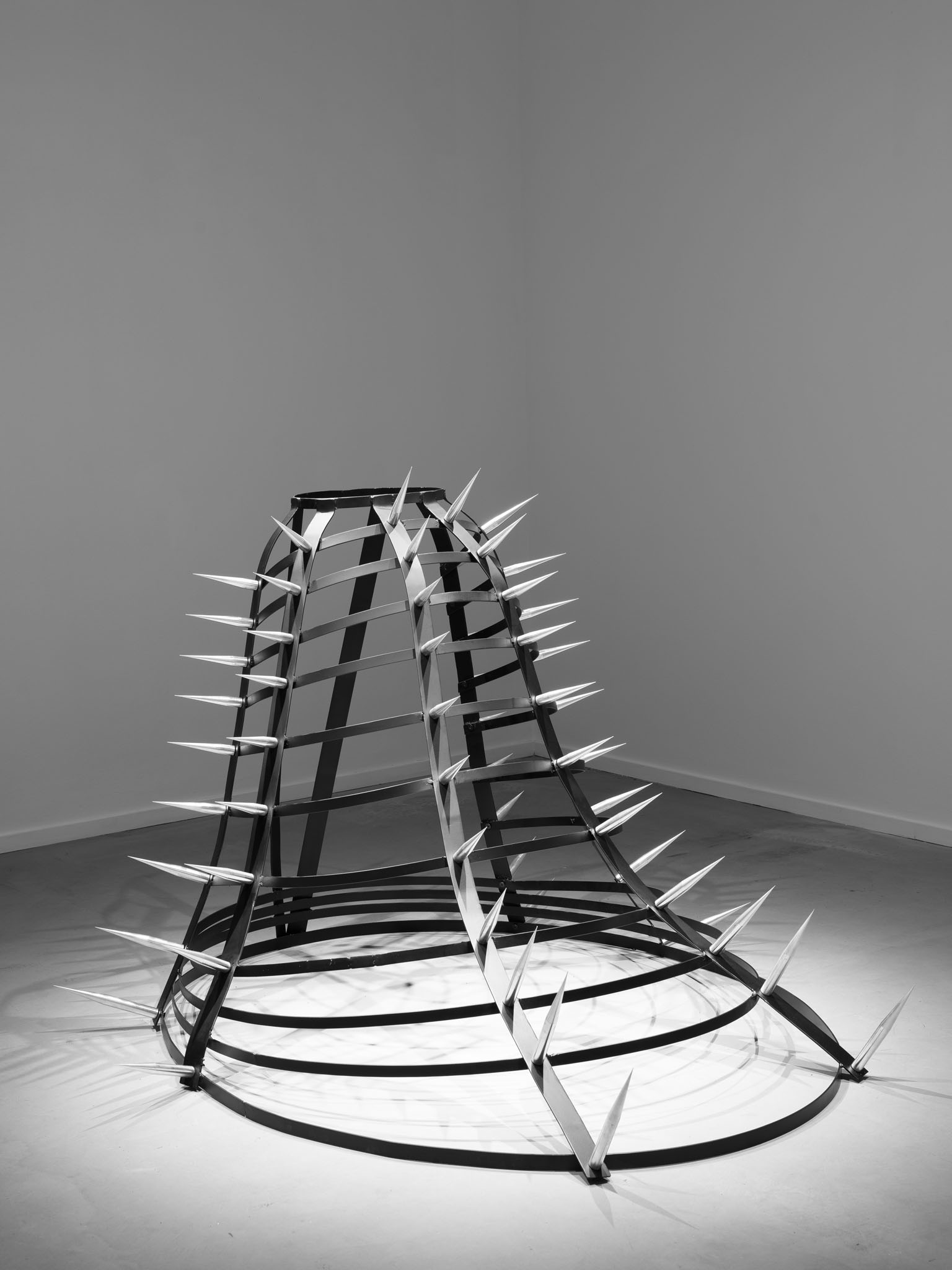
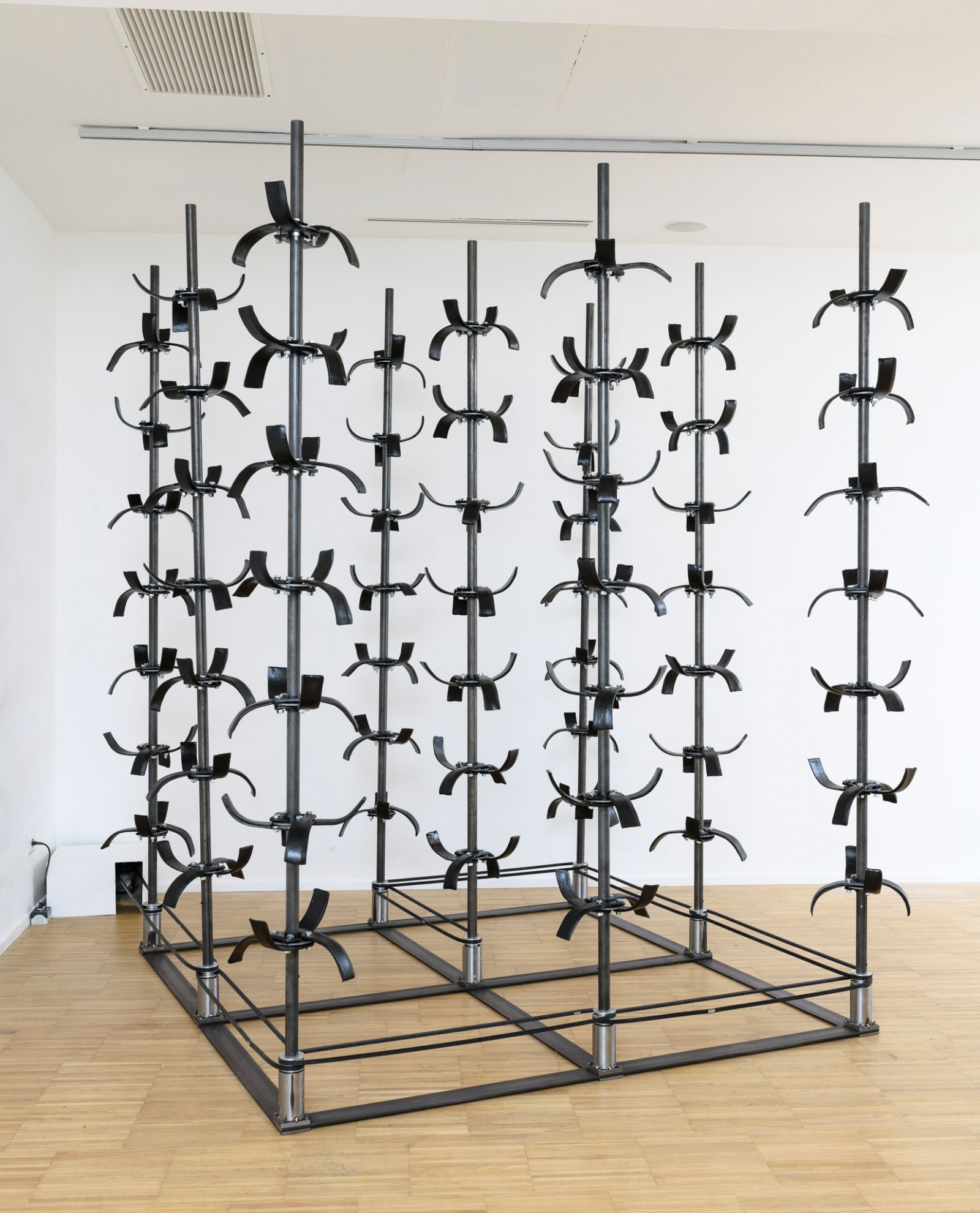
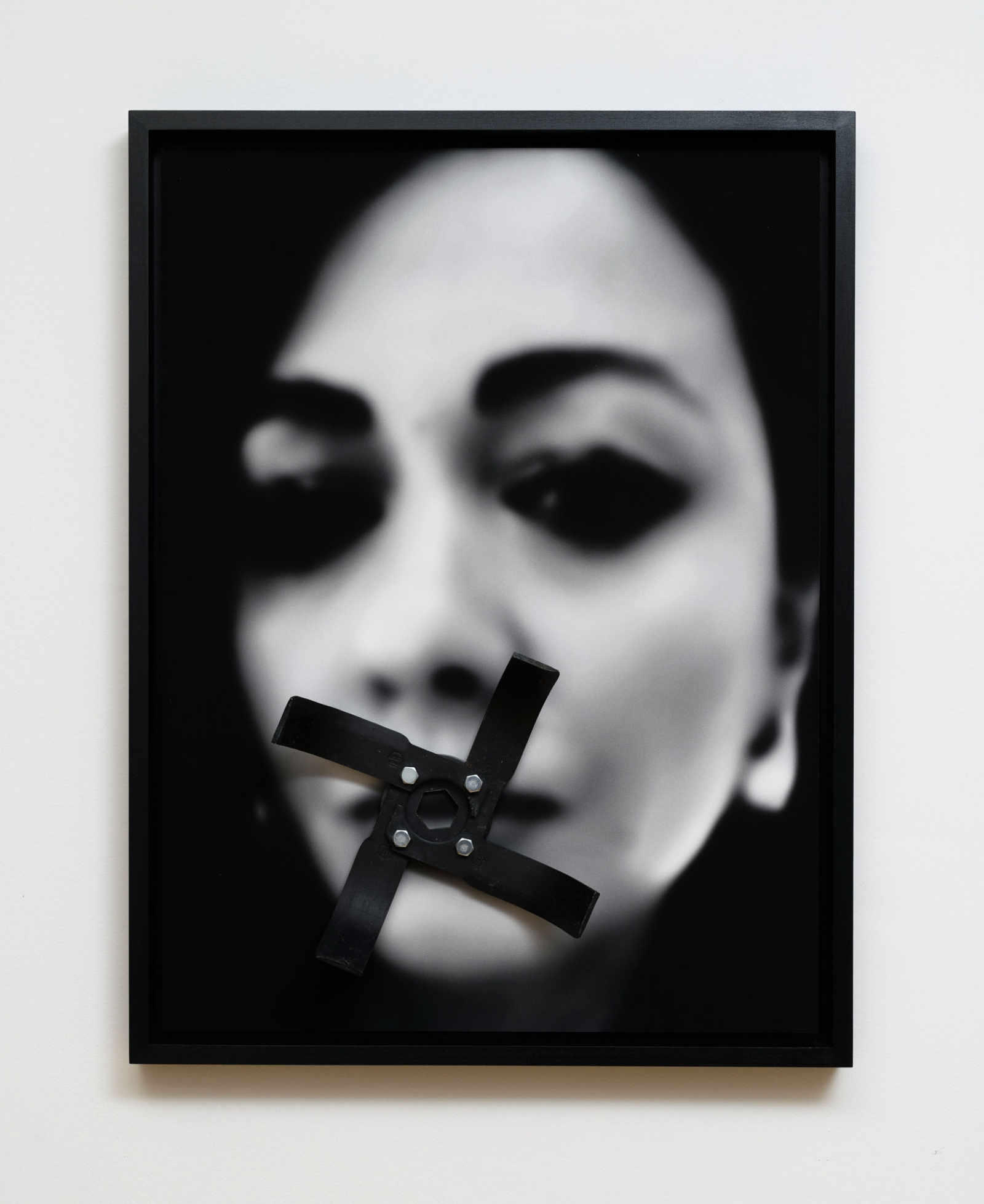
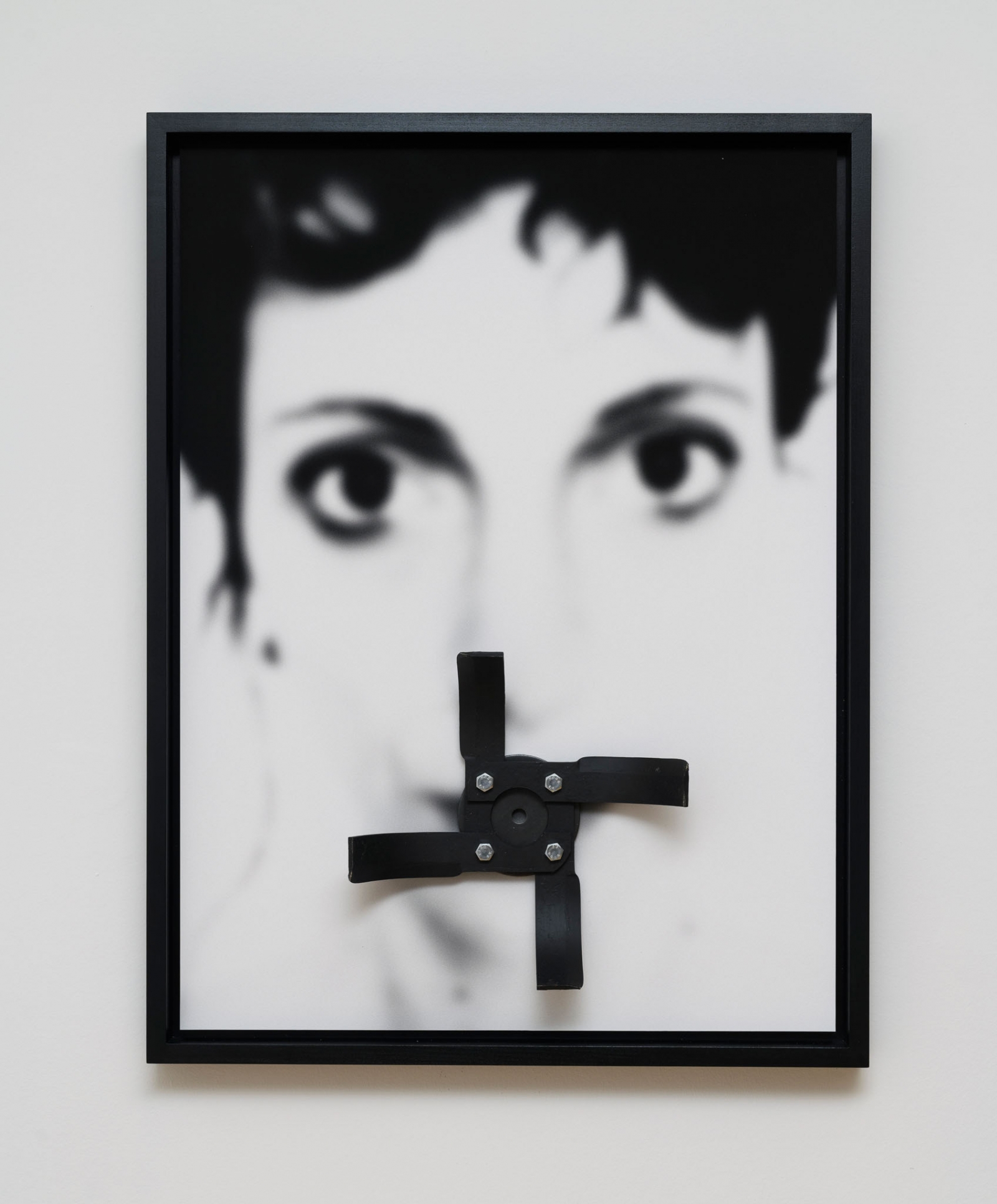
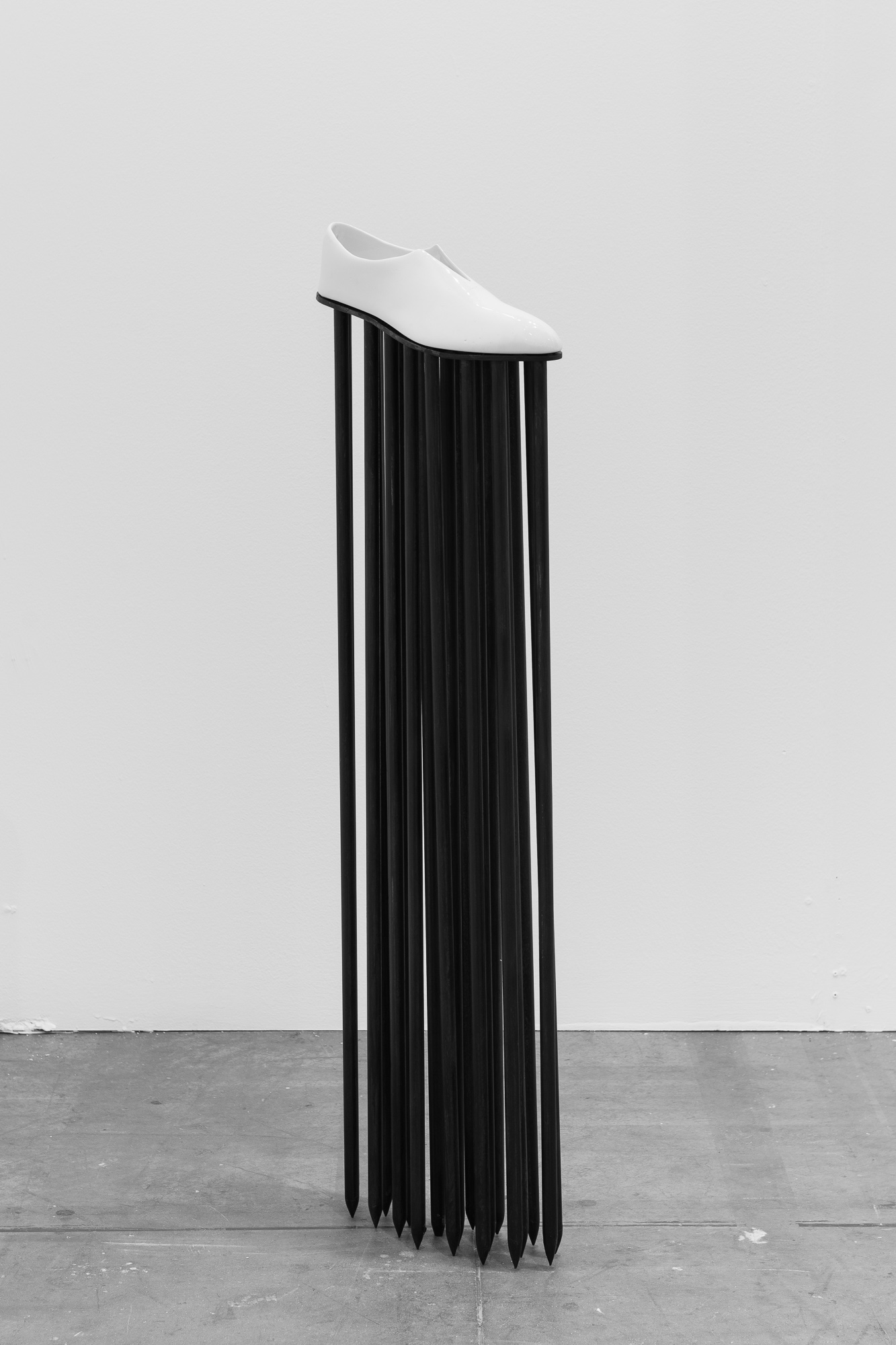
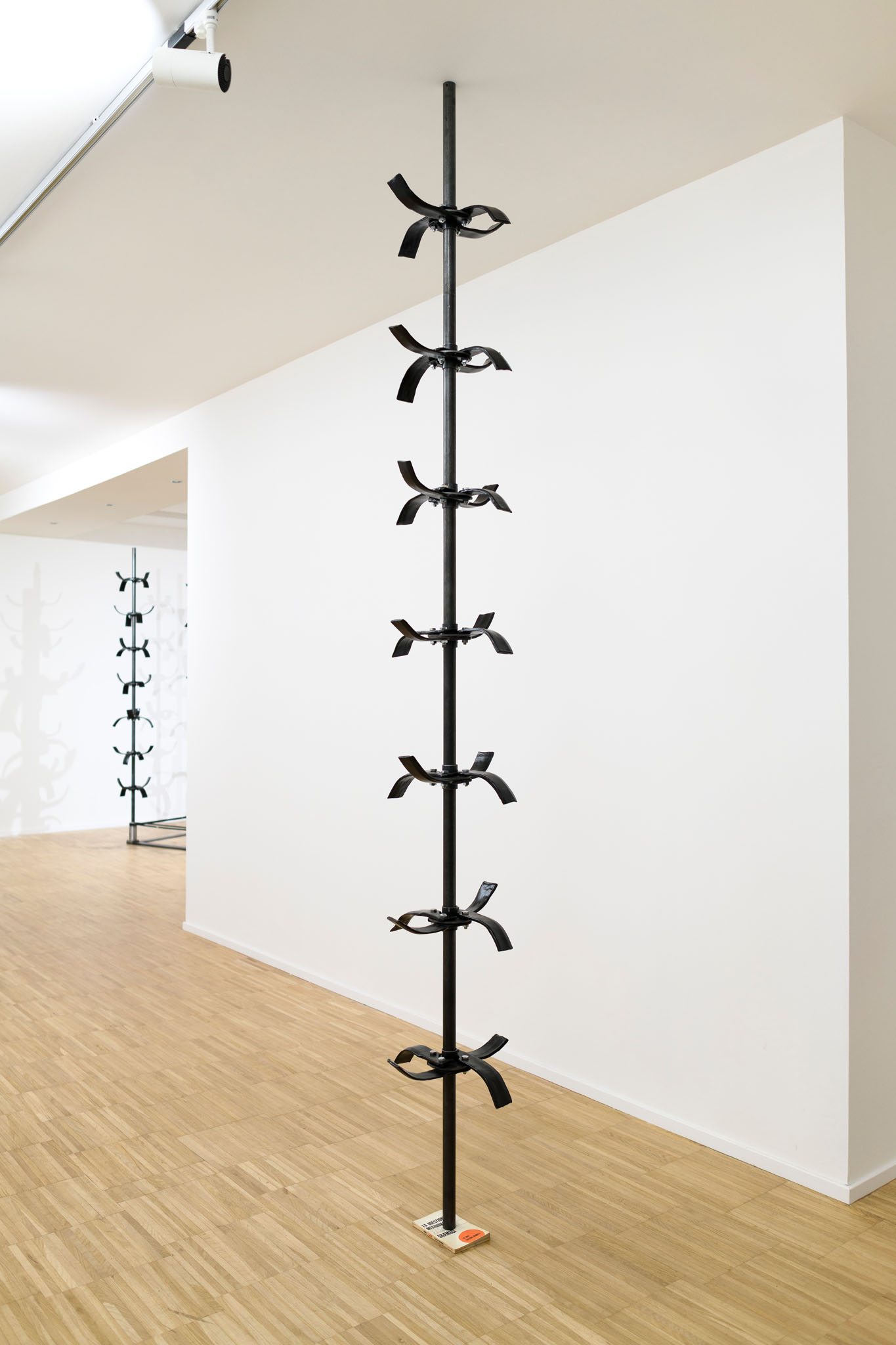
Gilda Lavia Gallery (Rome) is pleased to present Le Mangiatrici di Terra, a solo show by artist Pamela Diamante that will open on Monday, May 5th at 6 pm.
The exhibition is conceived as an aesthetic and political inquiry into plural bodies, subjectivities, and geographies, expressed through a layered and composite visual language that moves fluidly between historical memory and contemporary reality. The "earth eaters" – artists, activists, intellectuals, individuals belonging to the queer movement – are the protagonists of the ongoing photographic project, which turns its gaze towards the South as a critical space for reflection and resignification. Among the presences that animate this visual and political constellation, Nicole, artist, actress, and activist, vice president of MIT – Movimento Identità Trans (Transgender Identity Movement), makes her scenic and political presence an act of visibility and reappropriation; Marianna, feminist activist and director, denounces through her work the difficulties of accessing abortion in Italy, Malta, and Poland, claiming the right to choose over one's own body; Marzia, mother from the “Terra dei Fuochi” (Land of Fires), has transformed the mourning for the loss of her son into a historic battle for the right to life and the remediation of the territory, strongly opposing the Camorra and the indifference of the State; Nunzia, visual artist, and Nina, performer, explore the subaltern condition with a transfiguring gaze, making their territorial roots a fertile ground for non-conforming flourishings; finally, Tita, poet, artist, and activist, traverses the project as a source figure, an embodied and relational voice, custodian of a word that echoes, body, resistance. Their gestures are not limited to representation, but delve into the living fabric of reality, taking charge of battles that, although different, share the same root: the struggle for the right to life, self-determination, and voice.
To complete this reflection on the body as a surface of resistance, the project extends towards other expressive dimensions: on one hand, fashion, understood as a form of politicization of the body and its codes; with a sculpture, created in dialogue with the stylist Antonella, the artist intervenes in the construction of an aesthetic that questions the gaze and destabilizes the dominant symbolic order; on the other hand, sound experimentation, developed within the Alleanze Sonore (Sonic Alliances) project, amplifies and distorts the vocal material, reformulating the relationship between word, sound, and presence. In this acoustic landscape, the lyrical voice of Anna Maria is traversed and manipulated by the work of Puta Caso, generating a deliberately radical dissonance, where the vocal body becomes a political space, a tear, and a detonation.